This is because you still need to take action to overcome addiction. Step 1 is the marijuana addiction first important step in recovery for many people because when you acknowledge that your alcohol use is no longer completely in your control, you can seek help. All of this culminates in my choice not to take responsibility for the feelings, beliefs, and actions of others. It allows me to focus more fully on what I am able to offer to myself and others that is healthy, sustainable, and satisfying.
- Our culture is so entrenched in competing for success that we’re uncomfortable acknowledging the limits of what we can and cannot do, individually.
- AA is a group of fellow recovering alcoholics who use the 12 steps and sponsorship to hold you accountable and offer you a daily reprieve from alcohol dependency.
- But powerlessness is not the same thing as weakness; it isn’t something to be feared or despised.
Overt Denial of Powerlessness
Without accepting powerlessness and unmanageability, it becomes challenging to make meaningful progress in your journey to recovery. If you or someone you love struggles to manage their drug and alcohol addiction, it is vital to seek drug addiction treatment. Our comprehensive treatment programs and addiction specialists at Lighthouse Recovery Institute can help you find the right path to recovery. Admitting powerlessness means we can’t control our substance abuse.
The Power of Powerlessness
Maybe you’ve violated your personal values in your addiction, or you’ve gone further or deeper than you expected you would. You recognize that none of your efforts to stop have truly worked, and that the addiction has caused destruction and chaos in your life. If you are living with a loved one’s drinking, it can be difficult to admit you are powerless and unable to keep cleaning up the mess and being the responsible one. You may continue to make things work and, therefore, be part of the sickness. Only after admitting you are powerless can you begin to make changes in yourself.
Friends in Recovery
Someone who seeks help for addiction is either someone who is court-ordered to, or someone who is not able to manage their drinking, and ultimately their life. Alcohol use is extremely common in societies across the globe, and not everyone who drinks alcohol develops an alcohol addiction. Many people who drink on an even somewhat regular basis may at some point ask themselves, “Am I am alcoholic? How can you tell the difference between simple alcohol use and addiction? Well, understanding manageability is a factor that can be used to determine if someone has crossed that line. One of the most remarkable aspects of Step One is its enduring impact throughout the recovery journey.
Why Don’t Other Peer Support Groups Identify With the Idea of Powerlessness?
You may experience challenges related to systemic inequalities based on race, gender, or socioeconomic status. As an illustration, marginalized groups frequently confront barriers that limit their access to resources and opportunities. You aren’t powerless when it comes to entering treatment or a recovery program. You aren’t powerless when it comes to choosing not to drink or use drugs. But you are, however, powerless when substances are in your body.
Why Dual-Diagnosis Treatment Is Essential for Recovery
Physical powerless over alcohol examples punishment, deprivation, social withdrawal, or any other way of punishing yourself increases feelings of despair and hopelessness. And since addictive behaviors are the primary way you cope with distress and pain, you’ll return to those in a heartbeat. If you’re struggling with alcohol use—whether or not you’re in AA—it is up to you to choose how you describe your situation. Ultimately, the important thing is that you are working toward self-improvement and recovery.

Unravel what causes money addiction, its impact, and how to seek help for a healthier financial future. Discover essential tips to stay sober on vacation, from alcohol-free drinks to stress management techniques. The recovery journey requires dedication, patience, and, most importantly, self-nurturing. COVID-19 dramatically shifted individual’s mental health and well-being for the worse.
What Does It Mean to Be Powerless Over Alcohol and Other Drugs?
And that’s what the First Step is saying—once a drug user or alcoholic has their first drink or hit of their preferred substance, they will only want more. Their need to use will take precedence over everything else in their lives, no matter the consequences. It is my responsibility to stay involved in sobriety and follow my sponsor’s suggestions. Once sober, if I decide to pick up a drink or drug, that’s on me too. There is something else we must understand about our disease – once an alcoholic, always and alcoholic. This means that in our experience we can never resume our drinking without displaying the symptoms described already.
They were bankrupt as far as any new strategies were concerned. It’s so easy to blame other people for our problems, but recovery requires us to take personal responsibility, and that’s exactly what Alcoholics Anonymous teaches. It’s your responsibility to stay engaged in your recovery and work with your sponsor.
- Powerlessness is a multifaceted experience that touches various aspects of life.
- Humans naturally gather together, which is why group therapy remains a powerful therapeutic tool for alcohol addiction.
- Many of the comments made in that discussion are spot on – sobriety isn’t the end goal.
- Breaking the isolation of addiction is a pivotal outcome of Step One.
- This acknowledgment of powerlessness does not signify defeat but instead acts as a catalyst for taking meaningful steps toward recovery.
- This often leaves employees feeling undervalued and invisible, which can diminish job satisfaction and engagement.
Detox Programs
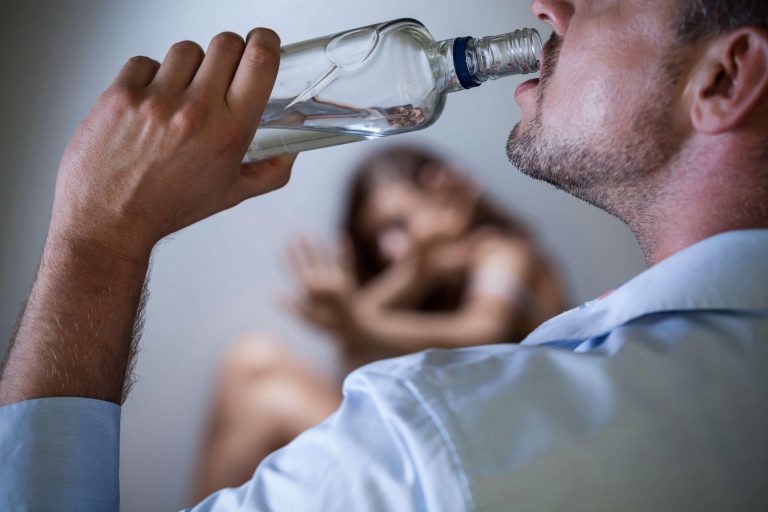
Have you ever felt like alcohol controls your life instead of the other way around? Feeling powerless over alcohol can be a daunting experience, leaving you trapped in a cycle that seems impossible to break. Many people find themselves questioning their relationship with drinking, wondering if it’s time to take back control.