When set up correctly, a law firm chart of accounts provides an accurate picture of your law firm’s financial situation now, and as you move forward. Effective accounting for law firms is critical to your firm’s success. To ensure your firm’s financial statements are accurate, complete, and up-to-date, you need to use sound bookkeeping for attorneys. In the legal profession, proper and accurate billing is not just a formality—it’s essential for credibility and timely payments.
How are you keeping track of the main KPIs in your law firm?
- In fact, a study commissioned by F1F9 and conducted by YouGov found that nearly one in five large businesses has suffered direct financial loss because of poor spreadsheets.
- As explained by the ABA, IOLTA trust accounts collect interest.
- For any company providing goods or services, using an invoice that looks professional and can be customized to fit your needs, is important.
- Yet, as your hard work continues to pay off in spades and more people are drawn to your client-centered service, legal management software can play a powerful part in helping your firm reach new heights.
- When it comes to managing accounting processes at your firm, these tools ensure the process is as stress-free as possible.
- A cash flow statement is important to provide a good picture of the inflow and outflow of cash within your company.
Whenever a client pays an invoice, you must allocate the payment to the incurred costs of a matter first. However, if a firm fails to separate revenue that covers incurred costs from actual revenue, their records will be off. The chart of accounts for law firms should include the IOLTA or trust account, as well as a trust liability account (to offset and show that the funds in the IOLTA account are not the law firm’s). If you’re the owner of a small law firm, you need to know the essentials of bookkeeping and accounting for law firms. This way, your firm can stay compliant with ethics rules—and you can ensure you aren’t leaving money on the table. As a next step, take stock of any software that integrates with your accounting application.

Accounts Receivable Template

Following law firm accounting best practices, each transaction requires a debit from one account and a credit to another. Similarly, many law firms use Excel for lawyers to assign cases to solicitors. There’s no doubt Excel has become a staple across many businesses and Certified Bookkeeper industries, but how exactly do law firms use it?
- It includes details about the items being shipped, the quantity of items included in the shipment, and the destination address.
- Your firm’s chart of accounts will have several sub-accounts under each of the top-level groups, often with their own sub-accounts.
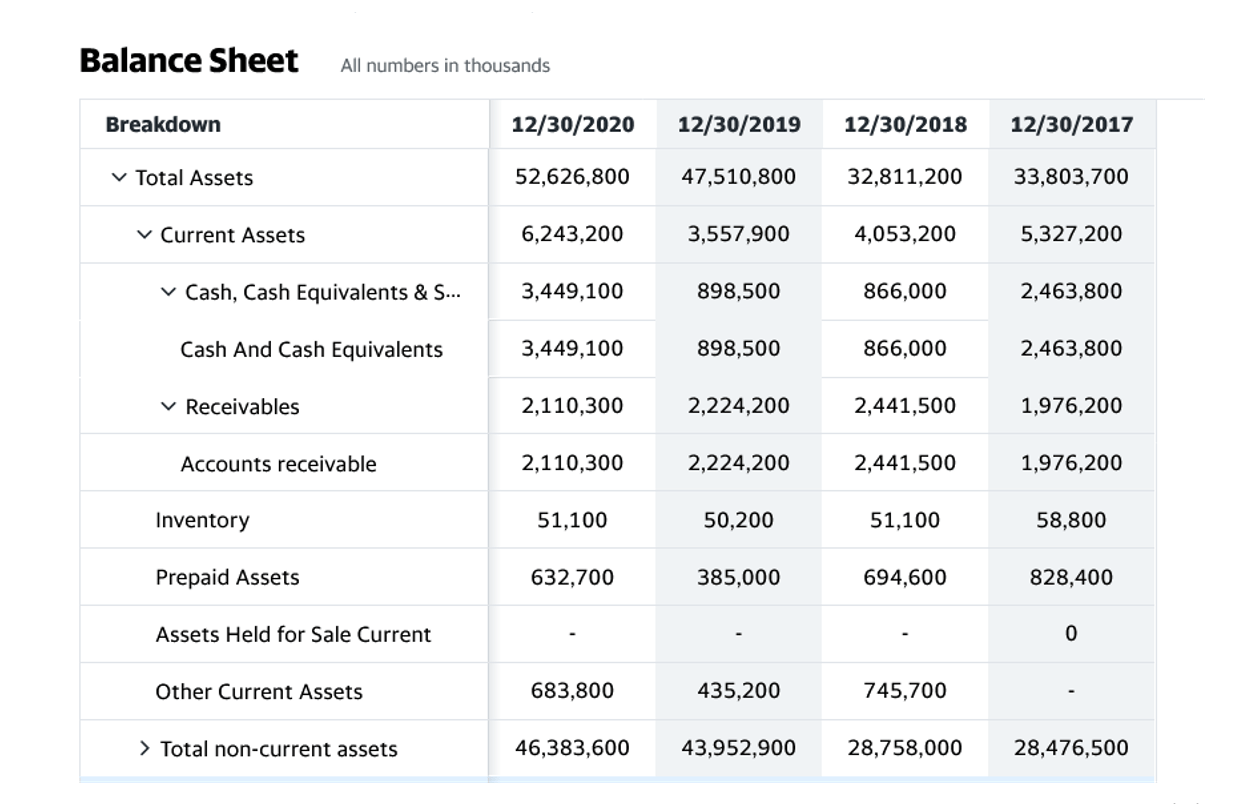
- A double entry system, therefore, has two equal and corresponding sides—or debits and credits—and creates a balance sheet consisting of assets, liabilities, and equity.
- IOLTA accounts are designed to keep client funds separate from your typical business or operating account—where you are allowed to accrue interest.
- Committing to accounting for law firms will allow you to be better equipped to identify growth opportunities.
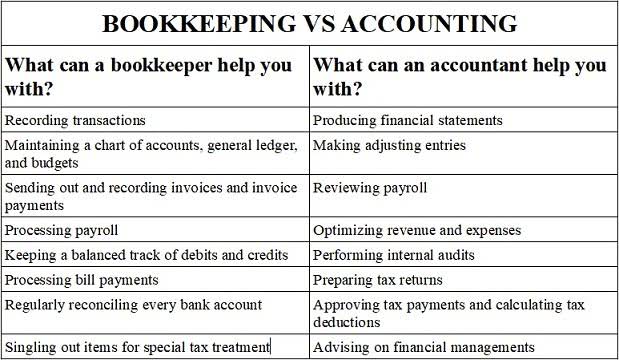
Bookkeeping vs. accounting for law firms
Lawyers know that recording their time accurately is critical to their firm’s success. Yet, despite its importance, you’d be hard-pressed to find a legal professional who truly revels in the time recording process. You can click the “Account Billing” worksheet to view a chart that shows billing amounts by project.
When it comes to accounting for law firms, there’s no one “right” method (though you may be required to take on the accrual method). Some software platforms allow you to use accrual-based books for monthly management of the firm while also creating cash-basis statements for preparing tax returns. Look into the pros and cons of both methods for bookkeeping your firm, then be consistent going forward to ensure your records are accurate and easy to track.
What’s Clio?

As we’ll highlight, several Excel applications meet the specific needs of law firms. Lawyers use Excel to crunch financial data, track billable hours, and assign and manage cases—among a host of other tasks. Your law firm chart of accounts should also track amounts that your firm uses for client expenses, where you expect reimbursement at some point in the future. These amounts include reimbursable client costs, non-reimbursable client costs, and advanced client costs. This means setting up your chart to include as much relevant information as possible. In the following post, we’ll show you how to set up your law firm’s chart of accounts.
Timesheets
Then, back on the “Actuals” worksheet, you enter the project type for the project into the adjacent cell in column B. Note that each project type must correspond to one of the project types that you created in column A of the “Project Parameters” worksheet. You can then input the “Actual Start” and “Actual Finish” dates for the project. When you input the values into these columns, Excel will then calculate the “Duration” shown in column F. After that, enter the total number of work hours on the project into the “Actual Work” column.
Best Legal Accounting Software for Lawyers
Bookkeepers record the financial transactions and balance the financial accounts for your firm. Legal bookkeeping takes place before any accounting can occur and is an important administrative task for any law firm. Accounting for law firms is often intimidating—even for seasoned lawyers. While you’ve spent years honing your skills to become a great lawyer, you didn’t learn about accounting or bookkeeping for attorneys law firm chart of accounts at law school. Once you create an appropriate chart of accounts, your firm needs a complete system for logging time, expenses, and client funds into those accounts. That includes the separation of collected retainers and the proper transfer of earned retainers into the firm’s operating account.