
Lastly, unamortized investment tax credits (UITC) represent the difference between the taxable cost of an asset and the amount that has already been deducted as a tax benefit over time. These liabilities can impact a company’s financial statements significantly by altering its net income and cash flows. Deferred credits are another form of non-current liability, representing revenues earned but not yet received. This situation arises when companies offer customers installment payments or other payment plans for their products or services. Deferred credits impact the timing of https://damynghecaocap.vn/accounting-transactions/ revenue recognition on the income statement and can significantly affect a company’s cash flow and financial performance.

Why are Contingent Liabilities Recorded?
- Measuring a company’s net worth helps stakeholders evaluate its financial strength and overall stability.
- They represent obligations or debts that a business owes to other parties, such as suppliers, lenders, and employees.
- For instance, the “Accumulated Depreciation” contra account offsets the value of fixed assets like machinery or buildings, reflecting their reduced value over time due to wear and tear.
- In the realm of financial management, understanding current liabilities is crucial for businesses aiming to maintain a healthy balance sheet.
- For an even stricter test of your short-term liquidity, try the quick ratio, which excludes inventory from the calculation.
- Instead, it is reported at its full amount with an allowance for bad debts listed below it.
- For instance, a business has $1,200 in unpaid electricity and water bills that need to be settled within the next billing cycle.
It’s crucial to have a clear understanding of the various types of liabilities and how they impact a company’s overall financial position. Remember that while liabilities indicate a company’s obligations, they are just one piece of the financial puzzle. Properly analyzing these obligations alongside other financial metrics is essential for making informed decisions about investments and financial partnerships. A healthy company typically maintains current liabilities at 40-60% of total liabilities, with a debt ratio (total liabilities divided by total assets) preferably below 40%. Exceeding these levels might signal excessive leverage to potential investors or lenders.
- It is a reduction from equity because it represents the amount paid by a corporation to buy back its stock.
- Non-current liabilities are debts that don’t need to be paid off right away.
- Loans are classified as long-term liabilities, as we expect to pay them off over an extended period, usually over a number of years.
- Interest payable is another example, covering interest on short-term loans.
- Each classification on the balance sheet plays a distinct role in financial analysis.
Measurement of Liabilities
You’ll make smarter decisions about cash flow, have more productive conversations with lenders, and build stronger relationships with vendors who appreciate your financial transparency. The footnotes to your financial statements provide additional color commentary about your liabilities. This is where you’ll explain contingent liabilities (like potential lawsuit outcomes), describe the terms of your debt agreements, and disclose any other important details about what you owe. Occasionally, you might run into something called a contra liability account.

legal
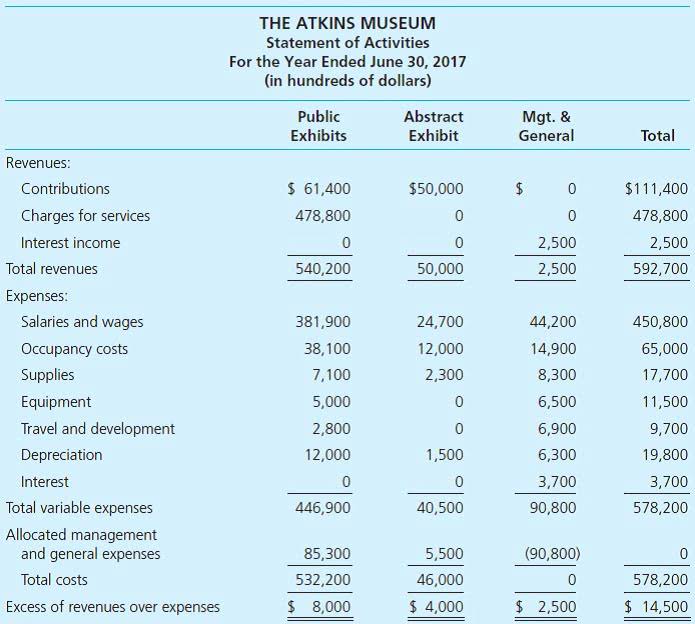
Liabilities expected to be settled within one year are QuickBooks classified as current liabilities on the balance sheet. All other liabilities are classified as long-term liabilities or non-current liabilities on the balance sheet. These two classifications appear in the following example balance sheet. Note that accountants use contra accounts rather than reduce the value of the original account directly to keep financial accounting records clean. This often happens with pending lawsuits where the outcome is uncertain.
- Timely payment of these premiums is crucial for maintaining insurance coverage.
- Contra Liability a/c is not used as frequently as contra asset accounts.
- Together, these show what the business needs to pay in the near term and further down the line.
- For example, a $0.50 per share dividend on 1 million shares results in $500,000 recorded as dividends payable.
Types
See how Annie’s total assets equal the sum of her liabilities and equity? If your books are up to date, your assets should also equal the sum of your liabilities and equity. No one likes debt, but it’s an unavoidable part of running a small business. Accountants call the debts you record in your books “liabilities,” and knowing how to find and record them is an important part of bookkeeping and accounting.
They reflect a company’s ability to meet its extended financial commitments. Understanding liabilities is essential for anyone involved in corporate finance, from a business owner to a shareholder, as they indicate the liability account examples financial health and obligations of a business. In Year 1, the business had $585,037 in total assets, made up of $234,674 in current assets and $350,363 in non-current (fixed) assets. You’ll look at these often when checking a client’s short-term financial health or planning for cash flow.
These are due for settlement in more than one year, and almost always involve long-term borrowings. Here’s a simple guide to the bookkeeping, accounting, and tax side of things. Get free guides, articles, tools and calculators to help you navigate the financial side of your business with ease. Our team is ready to learn about your business and guide you to the right solution. Shaun Conrad is a Certified Public Accountant and CPA exam expert with a passion for teaching.