
This indicates an improvement in its short-term liquidity position, suggesting that it has more resources to meet its short-term obligations. Understanding the change in net working capital (NWC) is essential for businesses aiming to optimize cash flow, manage short-term liabilities, and improve financial health. This comprehensive guide explains the formula, provides practical examples, and addresses frequently asked questions to help you make informed financial decisions. This is a totally different story where the change in working capital has turned negative in the last couple of years. The essence of the concept is that if a company has a positive working capital, it means they have funds in surplus.
- Understanding the change in net working capital is vital for businesses to maintain financial stability.
- Net working capital (NWC) represents the difference between a company’s current assets and its current liabilities.
- Continuing with the example, if you owe $678,000, you will subtract this amount from your $2.158 million, leaving you with $1.48 million.
- Our Cash Management Solution automates the reconciliation process between bank statements and internal financial records, reducing manual effort and errors and increasing cash management productivity by 70%.
- In addition to handling day-to-day expenses, net working capital provides the financial resources needed to seize growth opportunities.
- By regularly monitoring this metric and implementing strategies to optimize your working capital position, you can improve your business’s financial health and operational performance.
How to Find the Quick Ratio for a Business
- If the Change in Working Capital is negative, the company must spend in advance of its revenue growth – like a retailer ordering Inventory before it can sell and deliver its products.
- This calculation helps assess a company’s short-term liquidity and operational efficiency.
- Since the total operating current assets and operating current liabilities were provided, the next step is to calculate the net working capital (NWC) for each period.
- Understanding changes in working capital helps business owners, financial analysts, and investors assess how efficiently a company is managing its assets and liabilities.
- In this perfect storm, the retailer doesn’t have the funds to replenish the inventory flying off the shelves because it hasn’t collected enough cash from customers.
It tells us if a business has enough money to handle its daily expenses and to invest in its future. If future periods for the current accounts are not available, create a section to outline the drivers and assumptions for the main assets. Use the historical data to calculate drivers and assumptions for future periods. See the information below for common drivers used in calculating specific line items. Finally, use the prepared drivers and assumptions to calculate future values for the line items. Small businesses often operate with limited resources, making cash flow management critical.

Balance Sheet Assumptions
The current assets and current liabilities are each recorded on the balance sheet of a company, as illustrated by the 10-Q filing of Alphabet, Inc (Q1-24). The working capital of a company—the difference between operating assets and operating liabilities—is used to fund day-to-day operations and meet short-term obligations. The net working capital (NWC) is the difference between the total operating current assets and operating current liabilities. This means that Paula can pay all of her current liabilities using only current assets. In other words, her store is How to Invoice as a Freelancer very liquid and financially sound in the short-term.

Treasury Payments
You have to think and link what happens to cash flow when an asset or liability increases. You should not just grab these items from the balance sheet and calculate the difference. Now, let’s move toward our final step that is the calculation of changes in working capital.
Revenue Recognition

Since 2015, however, it has been able to be much more efficient with its inventory, and it has really delayed its payments to vendors and suppliers, with its accounts payable growing each year. Change in Working Capital is a https://www.bookstime.com/ cash flow item and it is always better and easier to use the numbers from the cash flow statement as I showed above in the screenshot. This is the complete guide to understanding net working capital, calculating changes in working capital, and applying this to calculating Warren Buffett’s version of free cash flow, Owner Earnings. Our Cash Management Solution automates the reconciliation process between bank statements and internal financial records, reducing manual effort and errors and increasing cash management productivity by 70%. With our treasury and risk solutions, treasury professionals gain instant, personalized insight into their cash positions with unparalleled global visibility. A company’s growth rate can affect its change in net working capital requirements.
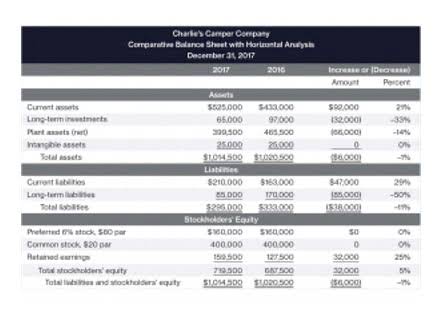
If the following will be valuable, create another line to calculate the increase or decrease of net working capital in the current period from the previous period. Under sales and cost of goods sold, lay out the relevant balance sheet accounts. Remember to exclude cash under current assets and to exclude any current portions of debt from current liabilities. For clarity and consistency, lay out the accounts in the order they appear in the changes in nwc formula balance sheet. A change in net working capital reflects how well a business is managing its short-term assets and liabilities.
Payment
Conversely, a negative change in net working capital signifies that current assets have decreased relative to current liabilities, or current liabilities have increased relative to current assets. This can reflect efficient operational management, such as faster collection of accounts receivable or more effective inventory control, freeing up cash. It might also indicate increased reliance on short-term financing, like higher accounts payable or short-term borrowings, boosting cash flow from operations in the short term.